

Understanding Reputation Management for Agencies
Every agency wants to stand out for the right reasons and secure business in a crowded market. Reputation management is at the center of that, guarding how brands are seen both online and offline. But get this. Agencies with strong reputations can actually charge premium prices and attract top talent, all thanks to their reputation management strategy. Most people think reputation only comes into play during a PR crisis or after a bad review, but the real secret is that it shapes every opportunity an agency gets—long before anyone hears about a problem.
Table of Contents
- What Is Reputation Management And Its Importance?
- Why Reputation Matters For Agencies In The Digital Landscape
- How Reputation Management Works: Key Concepts And Frameworks
- The Role Of Digital Presence In Reputation Management
- Practical Implications: Managing Reputation In Real-World Scenarios
Quick Summary
| Takeaway | Explanation |
|---|---|
| Reputation management shapes perceptions. | Proactively influence how clients and peers view your agency’s capabilities and credibility. |
| Monitor digital channels continuously. | Track online reviews, social media, and client testimonials to manage your brand presence effectively. |
| Mitigate risks before they escalate. | Anticipate potential reputation threats and develop strategies to address them proactively. |
| Engage actively on digital platforms. | Use social media and content creation to build trust and demonstrate expertise among potential clients. |
| Implement clear communication protocols. | Establish guidelines for responding to feedback and managing reputation-related crises swiftly and effectively. |
What is Reputation Management and Its Importance?
Reputation management represents a strategic approach for agencies to monitor, influence, and protect their professional image and brand perception across various digital and offline platforms. At its core, reputation management focuses on proactively shaping how clients, potential customers, and industry peers view an agency’s capabilities, performance, and overall credibility.
Understanding Reputation Dynamics
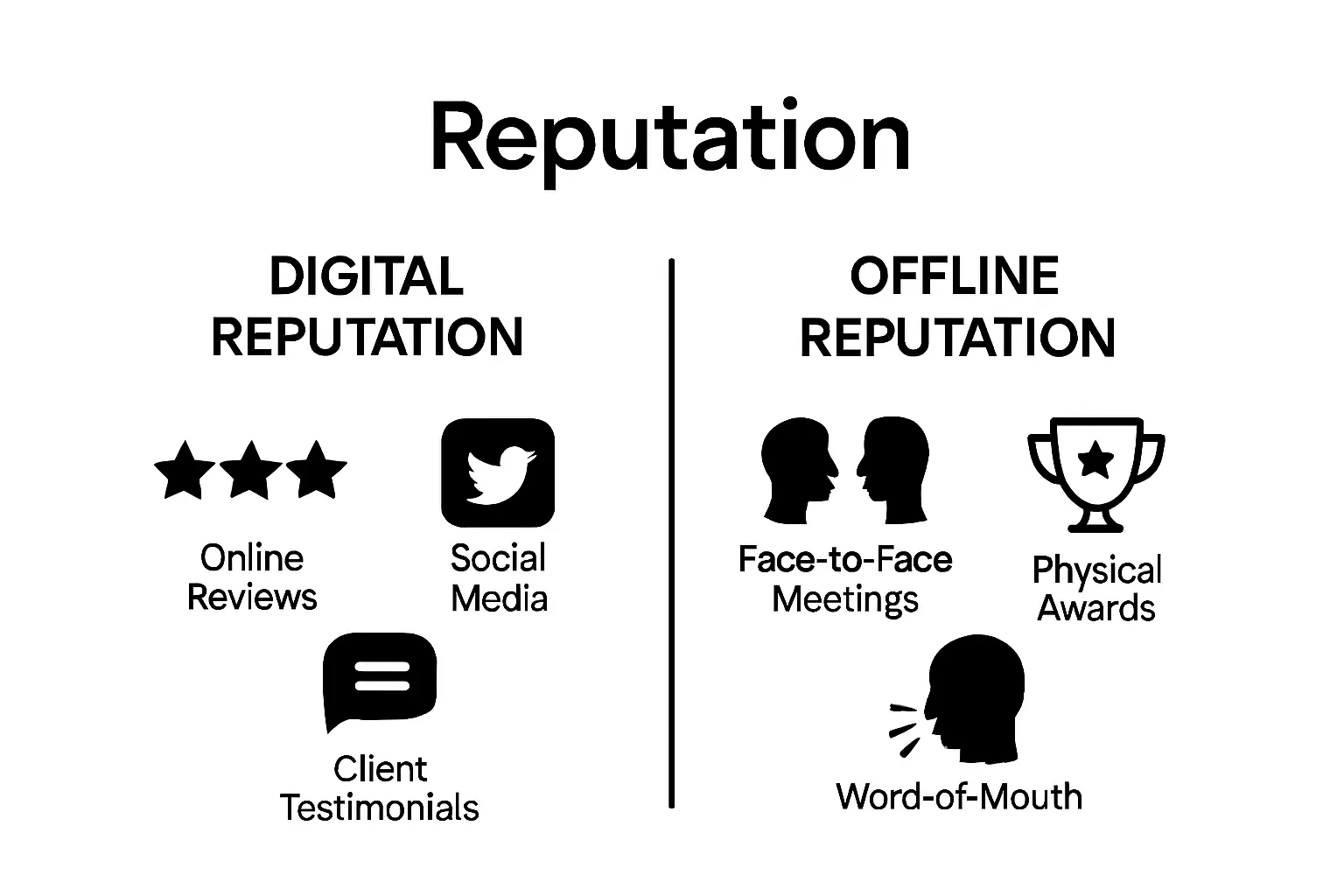
Agencies operate in competitive environments where perception can make or break business opportunities. Reputation management involves systematically tracking and responding to how an organization is perceived through multiple channels. This includes monitoring online reviews, social media mentions, client testimonials, industry publications, and professional network discussions.
The process encompasses several critical components:
- Continuous monitoring of brand mentions
- Addressing negative feedback constructively
- Highlighting positive client experiences
- Developing strategic communication protocols
According to National Institutes of Health research, effective reputation management plays a pivotal role in crisis prevention and building organizational resilience. For agencies, this translates into maintaining a consistent, trustworthy professional image that attracts and retains high-quality clients.
Below is a table summarizing key components of effective reputation management for agencies as described in the article.
| Component | Description |
|---|---|
| Brand Monitoring | Systematically track brand mentions across digital and offline channels. |
| Constructive Feedback Response | Address negative feedback promptly and professionally to reshape perceptions. |
| Positive Experience Highlighting | Promote client testimonials and success stories to reinforce credibility. |
| Strategic Communication Protocols | Develop clear guidelines for consistent and authentic communication across all channels. |
| Crisis Prevention | Proactively monitor and address issues to minimize impact and prevent escalation. |
Strategic Importance for Agencies
Reputation management goes beyond simple damage control. It represents a sophisticated approach to brand positioning that directly impacts business growth. Agencies with strong, positive reputations can command premium pricing, attract top talent, and secure more competitive business opportunities.
For digital marketing and consulting agencies, reputation management involves creating a narrative that showcases expertise, reliability, and innovative problem-solving capabilities. This means strategically curating online content, managing client relationships, and proactively addressing potential perception challenges before they escalate.
By implementing robust reputation management strategies, agencies can transform their professional reputation from a passive asset into an active, dynamic tool for business development and client attraction.
Why Reputation Matters for Agencies in the Digital Landscape
In the digital age, an agency’s reputation is no longer a passive attribute but a dynamic, mission-critical asset that can significantly influence business success. The interconnected nature of online platforms means that professional credibility can be rapidly built or dismantled through digital interactions and perceptions.
Digital Visibility and Competitive Advantage
Online reputation directly impacts an agency’s ability to attract and retain clients. Potential customers increasingly rely on digital signals to evaluate professional services. These signals include client reviews, social media presence, thought leadership content, and professional network recommendations.
This table outlines and compares leading digital reputation indicators and what they reveal about an agency’s online presence.
| Digital Reputation Indicator | What It Reveals About the Agency |
|---|---|
| Online Content Quality | Level of expertise and professionalism showcased |
| Client Testimonials & Case Studies | Client satisfaction and proven track record |
| Social Proof & Endorsements | Industry credibility and peer recognition |
| Transparent Communication | Openness, responsiveness, and how issues are handled |
| Responsiveness on Digital Platforms | Commitment to client engagement and service excellence |
Key digital reputation indicators include:
- Quality and consistency of online content
- Client testimonials and case studies
- Social proof through professional network endorsements
- Transparent communication and responsiveness
According to ResearchGate’s digital reputation study, digital platforms have fundamentally transformed how professional services are perceived and evaluated.
Trust and Credibility in the Digital Era
Reputation management has become crucial for agencies seeking to differentiate themselves in saturated markets. Digital platforms amplify both positive and negative feedback, making reputation a significant competitive differentiator. Agencies with robust online reputations can command higher rates, attract premium clients, and establish themselves as thought leaders.
For agencies looking to understand their digital presence, reputation management represents more than marketing. It is a strategic approach to building long-term business sustainability and professional trust.
By proactively managing digital reputation, agencies transform potential vulnerabilities into opportunities for demonstrating expertise, reliability, and client-centric commitment.
How Reputation Management Works: Key Concepts and Frameworks
Reputation management is a sophisticated, multifaceted process that requires strategic planning, continuous monitoring, and proactive intervention. For agencies, this approach involves creating a comprehensive system that tracks, analyzes, and influences professional perception across multiple platforms and stakeholder interactions.
Strategic Monitoring and Analysis
Effective reputation management begins with robust monitoring systems that capture digital and offline brand mentions, sentiment, and professional discussions. This involves leveraging advanced technological tools and analytical frameworks to comprehensively understand how an agency is perceived by clients, industry peers, and potential customers.
Key monitoring components include:
- Real-time social media sentiment tracking
- Professional review platform analysis
- Client feedback collection and evaluation
- Competitive benchmarking of digital reputation
According to OECD communication research, effective reputation management relies on transparent and consistent communication strategies that align internal capabilities with external perceptions.
Reputation Architecture and Response Protocols
Reputation management transcends simple reaction to developing anticipatory communication frameworks. Agencies must design systematic response protocols that allow rapid, professional engagement with both positive and negative feedback. This involves creating communication guidelines that maintain brand consistency while demonstrating authenticity and responsiveness.
For agencies looking to understand business resilience, reputation management represents a critical strategy for long-term sustainability. The process requires developing adaptive communication models that can quickly address potential reputation challenges while maintaining professional integrity.
By implementing comprehensive reputation management frameworks, agencies transform potential perception risks into opportunities for demonstrating professional excellence and client commitment.
The Role of Digital Presence in Reputation Management
Digital presence has become a critical component of reputation management for agencies, transforming how professional services are perceived, evaluated, and engaged with by potential clients. In an increasingly connected world, an agency’s online footprint serves as a dynamic representation of its brand identity, capabilities, and professional credibility.

Digital Channels and Brand Storytelling
Digital platforms provide agencies with unprecedented opportunities to craft and communicate their professional narrative. These channels extend far beyond traditional marketing, allowing agencies to showcase expertise, demonstrate thought leadership, and build trust through consistent, high-quality online interactions.
Key digital presence strategies include:
- Developing thought leadership content
- Maintaining active professional social media profiles
- Creating comprehensive and updated website portfolios
- Engaging in industry-specific online forums and discussions
According to SAGE Journals research, a well-maintained digital presence enables agencies to actively shape narratives about their brand and enhance visibility in competitive markets.
Reputation Architecture in Digital Environments
Digital presence serves as a multifaceted platform for reputation management, integrating various communication channels and touchpoints. Professional networks, social media platforms, review sites, and industry-specific forums collectively contribute to an agency’s online reputation ecosystem.
For agencies looking to understand digital strategies, strategic digital presence management involves more than passive visibility. It requires proactive content creation, engagement, and reputation monitoring across multiple platforms.
By strategically leveraging digital channels, agencies can transform their online presence from a simple marketing tool into a sophisticated reputation management instrument that attracts, engages, and retains high-value clients.
Practical Implications: Managing Reputation in Real-World Scenarios
Real-world reputation management demands strategic approaches that go beyond theoretical frameworks. Agencies must develop practical, actionable strategies that can swiftly respond to potential reputation challenges while maintaining professional integrity and client trust.
Proactive Risk Identification and Mitigation
Successful reputation management centers on anticipating potential risks before they escalate. This requires agencies to develop comprehensive monitoring systems that track potential reputation threats across multiple channels and platforms. The goal is not just to react to issues but to predict and prevent potential reputation challenges.
Here is a table summarizing practical risk mitigation strategies for managing agency reputation, as described in the article.
| Strategy | Purpose |
|---|---|
| Regular Digital Reputation Audits | Monitor and assess current reputation status |
| Clear Communication Protocols | Ensure consistent and effective responses |
| Scenario-Based Response Plans | Prepare for and manage various crisis situations |
| Team Crisis Communication Training | Equip staff to respond professionally and swiftly |
| Early Warning Systems | Identify risks before they escalate |
Critical risk mitigation strategies include:
- Conducting regular digital reputation audits
- Establishing clear communication protocols
- Developing scenario-based response plans
- Training team members in crisis communication
According to ResearchGate research on reputation risk management, effective reputation management involves identifying potential risks and establishing early warning systems to mitigate potential harm.
Communication and Transparency Frameworks
Reputation management in real-world scenarios requires rapid, transparent, and strategic communication. When challenges arise, agencies must respond quickly with clear, consistent messaging that demonstrates accountability and professionalism. This approach transforms potential reputation threats into opportunities for showcasing organizational integrity.
For agencies looking to understand business resilience, reputation management represents a critical strategy for maintaining professional credibility. The process involves creating adaptive communication models that can address challenges while preserving client confidence.
By implementing robust, proactive reputation management strategies, agencies can turn potential vulnerabilities into demonstrations of professional excellence and client commitment.
Take Control of Your Agency’s Reputation and Unlock Real Growth
Are you struggling to protect your agency’s credibility and manage your digital footprint in a crowded marketplace? You know strong reputation management is essential, but turning insights into real-world results is harder than it looks. If you want to move beyond damage control, Agency Firestarter offers agency-focused business coaching and hands-on strategies to help you build resilience and trust where it matters most. Explore more ideas and inspiration in our Uncategorized Archives.

Let’s help you put these frameworks into action right now. Book a free consultation with Agency Firestarter and discover customized solutions designed for your agency’s success. Visit https://agencyfirestarter.com to see how our coaching and growth-driven strategies can help you take the next step with confidence.
Frequently Asked Questions
What is reputation management for agencies?
Reputation management for agencies involves monitoring, influencing, and protecting an agency’s image and brand perception across various platforms to shape how clients and peers view their credibility and performance.
Why is reputation management important for agencies?
Reputation management is crucial because it can directly impact an agency’s ability to attract and retain clients, command premium pricing, and differentiate itself in competitive markets.
How does online reputation affect an agency’s success?
An agency’s online reputation can significantly influence potential clients’ perceptions, including their decision to engage services. Positive online signals such as client reviews and thought leadership can enhance visibility and credibility.
What strategies can agencies use for effective reputation management?
Agencies can implement strategies like continuous monitoring of brand mentions, rapidly addressing negative feedback, showcasing positive client experiences, and maintaining transparent communication to manage their reputation effectively.
Recommended
- Understanding Agency Risk Management for Business Success – Business Coach For Digital Marketing Companies, SEO, Social Media Agencies
- Understanding the Agency Business Model: Key Insights – Business Coach For Digital Marketing Companies, SEO, Social Media Agencies
- Understanding Agency Market Research: Key Insights Explained – Business Coach For Digital Marketing Companies, SEO, Social Media Agencies
- Understanding the Importance of Digital Presence – Business Coach For Digital Marketing Companies, SEO, Social Media Agencies